
Home projects often start with excitement and a vision of transformation. Whether it’s reimagining a layout, choosing updated finishes, or embarking on a brand-new build, the potential to completely change how a space feels can be invigorating. However, many homeowners underestimate the sheer volume of decisions involved in these undertakings. From the initial design phase to the final touches, each choice—from paint colors and flooring options to lighting fixtures and appliance selections—requires careful consideration.
Navigating Home Projects: The Key to Successful Transformations

Small missteps early in the process can lead to significant expenses and challenges later on. For instance, failing to account for structural requirements can result in costly renovations down the line. Additionally, delays and budget overruns are more common than most people expect. Whether it’s sourcing materials, scheduling contractors, or dealing with unexpected issues like weather delays or supply chain shortages, the timeline for a project can quickly spiral out of control. Poor workmanship is another risk; without proper oversight, projects can suffer from a lack of quality, ultimately leaving homeowners dissatisfied with the outcome.
The distinction between a smooth project and one that’s riddled with frustration typically hinges on thorough preparation and awareness. When homeowners invest time in understanding the entire process, asking the right questions, and collaborating with qualified professionals—which include contractors, designers, and consultants—they significantly enhance their chances of a successful outcome. This proactive approach not only safeguards their financial investment but also contributes to emotional well-being throughout the project.
Additionally, having a clear budget and timeline in place helps in managing expectations. It’s important to leave room for contingencies; builders often recommend allocating an extra 10-20% of your overall budget to cover unexpected costs. Keeping open lines of communication with all parties involved can also mitigate misunderstandings and ensure that everyone is aligned with the project’s goals.
This guide breaks down the most common mistakes people make during home projects and provides actionable strategies to avoid them. By arming themselves with knowledge and resources, homeowners can embark on their projects with confidence, resulting in spaces that not only meet their needs but also reflect their personal style and vision.
Start With a Clear Vision and Realistic Scope
One of the biggest issues in any project is a lack of clarity. Homeowners may have a general idea of what they want but fail to define the details. That leads to confusion, change orders, and added costs once work begins. Vague plans leave too much room for interpretation, which can result in a finished product that does not match expectations.
A successful home remodel starts with a well-defined scope. This includes layout changes, materials, finishes, and even timelines. Without these details, contractors are left to interpret expectations, which increases the likelihood of miscommunication. Even something as simple as cabinet placement or lighting style can shift the entire outcome if not clearly outlined.
To avoid this mistake:
- Write down your goals for the project
- Identify must-haves versus nice-to-haves
- Collect inspiration photos for reference
- Set a clear timeline from the beginning
- Think through how each space will actually be used day to day
Working with a qualified home remodeling contractor early in the planning stage helps refine your ideas. They can point out potential issues, suggest alternatives, and create a plan that fits both your vision and your budget. This early collaboration often prevents costly revisions later.
Set a Budget That Accounts for Surprises
Many homeowners focus only on visible costs like materials and labor. What they miss are the hidden expenses that often arise once work begins. Structural issues, outdated wiring, or plumbing problems can quickly inflate a budget. Even minor surprises can create a ripple effect that impacts the entire project.
A realistic budget should reflect both expected and unexpected costs. Without a financial buffer, homeowners may be forced to pause work or cut corners to stay within limits. That often leads to dissatisfaction or additional repairs in the future.
A smart budget should include:
- A contingency fund of at least 10–20%
- Permit and inspection costs
- Temporary housing or storage, if needed
- Material price fluctuations
- Cleanup and disposal fees
For those planning new home construction, budgeting becomes even more critical. Land preparation, soil testing, utility connections, and design adjustments can all add up quickly. These costs are often overlooked in early estimates, which leads to stress later.
Careful planning helps homeowners stay in control. It also allows for better decision-making when unexpected expenses arise.
Never Skip the Evaluation Phase
Rushing into a project without a full evaluation is a costly mistake. What looks like a simple upgrade on the surface may hide deeper issues behind walls or under flooring. Problems like water damage, mold, or structural weaknesses are not always visible at first glance.
A professional home inspection provides a clear picture of the property’s condition before work begins. It identifies structural concerns, safety hazards, and areas that need attention. This information allows homeowners to address issues proactively instead of reacting mid-project.
Skipping this step can lead to:
- Unexpected repairs mid-project
- Safety risks for occupants
- Delays due to unplanned fixes
- Increased labor costs
Even when working with experienced custom home builders, inspections play a role in verifying that each stage of construction meets proper standards. Regular evaluations help confirm that work is completed correctly and aligns with local building codes.
Taking time for this phase may feel like a delay, but it often saves both time and money in the long run.
Choose the Right Professionals for the Job

Hiring the wrong team can derail an entire project. Not all contractors have the same level of experience, communication skills, or reliability. Choosing based on price alone often leads to poor workmanship, missed deadlines, or incomplete work.
Homeowners should take time to vet each professional involved. This includes checking credentials, reviewing past projects, and asking detailed questions about their process.
Look for:
- Proper licensing and insurance
- Verified reviews and references
- Clear communication and responsiveness
- Detailed written estimates
- A timeline that reflects realistic expectations
Some homeowners consider alternatives like a modular home to simplify the process. This option can reduce construction time and offer predictable pricing. However, it still requires coordination with skilled professionals for site preparation, installation, and finishing work.
Selecting the right team creates a strong foundation for the entire project. It builds confidence and reduces the risk of costly mistakes.
Understand the Timeline and Plan Accordingly
Unrealistic timelines create stress for everyone involved. Homeowners may expect projects to move quickly, but construction often includes delays due to weather, material availability, or permit approvals. Rushing the process can lead to mistakes that require correction later.
A clear timeline should account for each phase of the project, from planning and permitting to construction and final inspections. Understanding how long each step takes helps set realistic expectations.
To stay on track:
- Build extra time into the schedule
- Plan around seasonal challenges
- Stay in regular contact with contractors
- Avoid last-minute design changes
- Confirm delivery timelines for materials
When working with premier home builders, timelines are typically outlined in detail. Even so, flexibility is important. Unexpected delays can happen, and adjusting the schedule without panic helps maintain quality.
A well-managed timeline supports better decision-making and reduces pressure on everyone involved.
Don’t Overlook Electrical and Structural Needs
Focusing only on design can lead to serious issues. Behind-the-scenes systems like electrical and structural components are just as important as aesthetics. Ignoring these elements often results in expensive repairs or safety concerns down the line.
Outdated wiring, overloaded circuits, or poorly planned layouts can limit functionality. Modern homes rely on a wide range of devices and appliances, which require adequate electrical support.
Working with reputable electrical companies ensures that systems meet current codes and support modern needs. This is especially important for projects involving:
- Kitchen upgrades with high-powered appliances
- Home offices requiring additional outlets
- Smart home integrations
- Expanded living spaces
Ignoring these elements can lead to:
- Increased fire risk
- Limited power capacity
- Costly rework after completion
- Failed inspections
Addressing these needs early keeps the project safe and functional.
Pay Attention to Exterior Work and Finishes
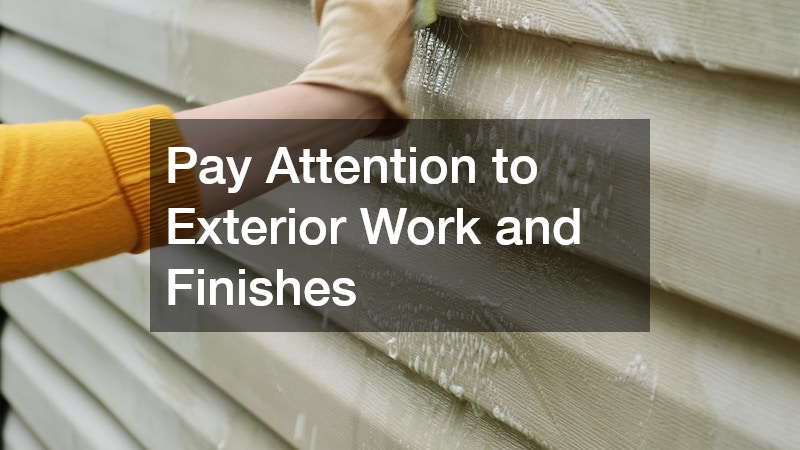
Exterior updates are often treated as an afterthought, but they play a major role in protecting the home. Poor-quality finishes or rushed work can lead to moisture damage, peeling paint, and reduced lifespan of materials.
Investing in professional exterior painting services helps maintain durability and curb appeal. Proper preparation is key. Surfaces must be cleaned, repaired, and primed before paint is applied.
Key considerations include:
- Weather-resistant materials
- Proper surface preparation
- Consistent color application
- Regular maintenance planning
- Inspection of siding and trim before painting
Exterior work also impacts energy efficiency. Well-maintained surfaces help regulate indoor temperatures and protect against harsh weather conditions.
A strong exterior finish supports both appearance and long-term performance.
Plan for Accessibility and Future Needs
Many homeowners focus only on current needs without thinking about the future. As lifestyles change, so do requirements for comfort and mobility. Planning ahead reduces the need for major adjustments later.
Incorporating accessibility features during a project can prevent costly modifications. Small changes made early are often more affordable than large renovations later.
Working with home accessibility modification companies helps identify practical solutions, such as:
- Wider doorways and hallways
- Step-free entry points
- Accessible bathroom layouts
- Improved lighting for visibility
These features benefit not only those with mobility challenges but also families planning to stay in their homes long-term. A thoughtful design supports comfort and usability for years to come.
Communicate Clearly Throughout the Project
Miscommunication is one of the leading causes of project delays and dissatisfaction. Assumptions, unclear instructions, and a lack of updates can create confusion that affects the entire workflow.
Strong communication keeps everyone aligned and reduces mistakes. It also builds trust between homeowners and contractors.
Best practices include:
- Holding regular progress meetings
- Confirming changes in writing
- Asking questions when something is unclear
- Keeping records of decisions and agreements
- Using shared tools or apps for updates
Clear communication helps prevent misunderstandings that lead to rework or delays. It keeps the project moving forward with fewer disruptions.
Avoid Constant Changes Mid-Project
Changing plans once work has started can quickly increase costs. Each adjustment may require new materials, additional labor, and revised timelines. While flexibility is important, frequent changes often create unnecessary complications.
Common reasons for mid-project changes include:
- Second-guessing design choices
- Discovering new ideas during construction
- Miscommunication during planning
These changes can lead to:
- Budget overruns
- Delays in completion
- Compromised quality
- Frustration for both homeowners and contractors
Sticking to the original plan as much as possible helps maintain efficiency. Taking extra time during the planning phase reduces the urge to make changes later.
The Importance of Thoughtful Planning in Home Projects

Home projects offer a unique opportunity to create spaces that fully align with your personal lifestyle and long-term goals. However, without proper planning and awareness, these projects can quickly spiral into costly ventures filled with stress and headaches. From the initial brainstorming phase to the final touches, every decision—from budgeting and design choices to hiring qualified professionals—plays a crucial role in determining the overall success and satisfaction of the project.
Taking the time to thoroughly prepare is essential. This means setting a realistic budget that accounts for unforeseen expenses, understanding the scope of work involved, and clearly defining your vision. Engaging with experienced professionals can help navigate potential pitfalls, as their expertise can provide valuable insights that you may not have considered. Furthermore, remaining actively involved throughout the process ensures that your ideas and preferences are incorporated, reducing the likelihood of miscommunication and the resulting frustrations.
A thoughtful approach to home projects not only leads to smoother implementation but also enhances the overall quality of the work. Homeowners who carefully consider their needs and involve themselves in the decision-making process are more likely to achieve lasting results that reflect their personal style and functional requirements. The satisfaction that comes from a well-planned project is invaluable, resulting in a home that not only meets but exceeds expectations. Ultimately, investing time and effort into careful planning can transform your home into a true sanctuary tailored just for you.
About the Author