A clean, organized restaurant supports efficient service, safer working conditions, and a better customer experience. From food preparation and equipment maintenance to inventory control and waste disposal, daily operations depend on systems that help employees work effectively while maintaining consistent standards.
By focusing on preventive maintenance, consistent procedures, and clear accountability, restaurant owners can build a more productive environment that supports employees and delivers a reliable dining experience.
Establish Daily Cleaning Routines for Every Kitchen Station
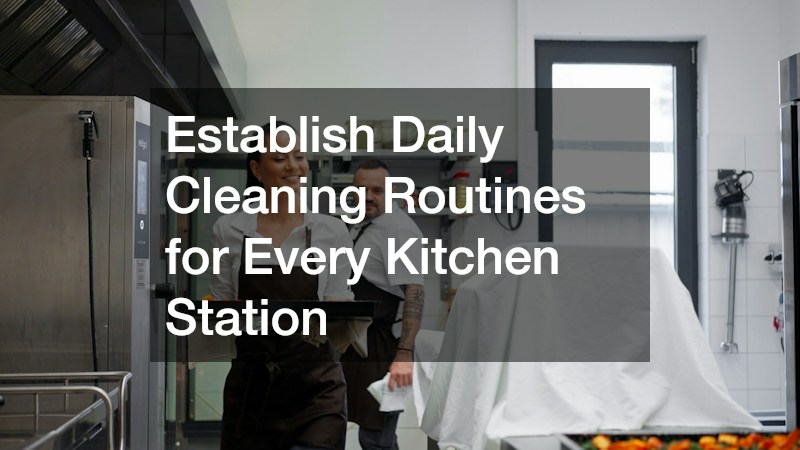
Consistent cleaning helps restaurants maintain sanitary workspaces and prevent grease buildup, spills, and clutter from interfering with service. Develop separate opening, between-service, and closing checklists so employees understand which tasks need attention throughout the day. Assign responsibilities to specific team members and have supervisors verify completed work.
Cooking equipment and exhaust systems deserve particular attention because accumulated grease can create serious fire hazards. Professional restaurant hood cleaning services can remove grease from exhaust hoods, filters, and associated components according to applicable requirements and equipment conditions.
Build these practices into the daily routine:
- Clean food-contact surfaces: Follow appropriate cleaning and sanitizing procedures between tasks.
- Maintain floors: Remove spills promptly and keep walkways clear of equipment and supplies.
- Inspect cooking areas: Check filters and surrounding surfaces for grease accumulation.
- Document completed tasks: Record inspections, cleaning activities, and issues requiring attention.
Not every maintenance task belongs on a daily checklist. Follow equipment instructions and applicable fire codes to establish appropriate schedules for deeper cleaning and professional servicing. Clear procedures help employees understand expectations and make it easier for managers to identify missed tasks before they affect operations.
Maintain Grease Management Systems Before Problems Develop
Restaurant kitchens generate fats, oils, and grease during food preparation, cooking, and cleaning. When these materials enter drains, they can accumulate inside plumbing systems, contribute to blockages, and cause unpleasant odors. Preventive grease management reduces avoidable plumbing disruptions and helps maintain a cleaner working environment.
A commercial grease trap captures grease before wastewater enters the drainage system. Its effectiveness depends on suitable sizing, regular inspection, and cleaning at intervals appropriate for the kitchen’s activity and local requirements.
Use these practices to manage grease responsibly:
- Train employees: Explain why cooking fats and food scraps should not be washed into sinks.
- Monitor drainage: Investigate slow drains, recurring backups, or persistent odors.
- Schedule maintenance: Follow local requirements and guidance from qualified service providers.
- Keep records: Document inspections, cleaning dates, and any recurring issues.
Avoid waiting until a blockage occurs before arranging maintenance. Busy kitchens may need more frequent attention than operations with lower cooking volumes. Managers should review maintenance records regularly and adjust schedules when production levels change. Clear procedures help employees handle waste correctly while reducing the likelihood of interruptions during peak service hours.
Handle Cooking Oil Safely and Reduce Kitchen Waste
Cooking oil is an important kitchen supply, but improper handling after use can create sanitation, storage, and disposal problems. Establish a procedure for collecting and storing used cooking oil that accounts for safe cooling, suitable containers, and regular removal.
Never transfer hot oil into containers that are unsuitable for high temperatures. Follow workplace safety procedures, use appropriate protective equipment, and allow oil to cool safely before moving it. Designated, leak-resistant containers can help prevent spills when used according to the provider’s instructions.
A practical oil management routine should include:
- Use designated containers: Keep collection containers stable, clearly identified, and in an appropriate storage location.
- Arrange collection: Work with a suitable recycling or disposal provider.
- Track usage: Monitor how much oil is purchased, used, and collected.
- Train staff: Explain spill response procedures and prohibit disposal through sinks or storm drains.
Tracking oil consumption can also reveal opportunities to reduce waste. Review cooking practices, storage conditions, and replacement schedules to identify avoidable losses. Keep collection areas away from food preparation surfaces and customer access routes. Consistent handling procedures protect employees, support a cleaner kitchen, and make waste management easier to coordinate with other closing tasks.
Organize Inventory to Prevent Shortages and Spoilage
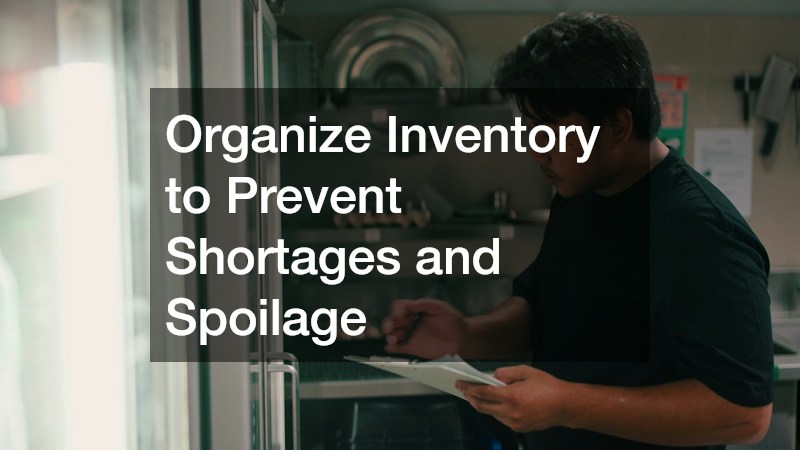
Poor inventory management can lead to missing ingredients, excess stock, food spoilage, and unnecessary purchasing expenses. Restaurants can avoid many of these problems by maintaining accurate records and coordinating orders with actual demand.
When evaluating wholesale food suppliers, consider product quality, delivery reliability, ordering flexibility, and the supplier’s food safety practices. A dependable supplier relationship can help managers plan menus and respond to changes in customer demand without repeatedly placing emergency orders.
Improve inventory control with a few practical steps:
- Set stock levels: Establish minimum quantities for essential ingredients based on usage.
- Rotate products: Use first-in, first-out practices where appropriate, while checking dates and storage requirements.
- Inspect deliveries: Review packaging, product condition, labeling, and required temperatures.
- Record waste: Track spoilage, preparation losses, and unsold ingredients.
Store products according to their specific temperature and handling requirements. Keep raw ingredients separated from ready-to-eat foods and label opened containers appropriately. Regular inventory reviews help managers identify slow-moving items and adjust purchasing decisions.
Good communication between kitchen staff and purchasing managers is equally important. Employees should report shortages, quality concerns, and unexpected changes in demand promptly so orders can be adjusted before they disrupt service.
Maintain Reliable Cold Storage During Busy Service Periods
Refrigeration is essential for protecting temperature-sensitive ingredients and maintaining food quality. Restaurants should monitor cold storage equipment regularly, organize products for easy access, and respond quickly when temperatures move outside required limits.
Temporary storage may become necessary during equipment repairs, renovations, seasonal demand increases, or large catering events. In these situations, refrigerated trailer rental can provide additional cold storage capacity when the unit meets the restaurant’s operational requirements.
Before arranging temporary refrigeration, evaluate the following:
- Capacity: Confirm that the unit can accommodate the quantity and types of products being stored.
- Temperature control: Check the required operating range and available monitoring features.
- Site access: Verify delivery access, placement requirements, and any necessary power arrangements.
- Food organization: Plan shelving and product separation to support safe handling.
Do not assume that moving ingredients into a trailer automatically protects them. Check temperatures throughout storage, follow applicable food safety requirements, and maintain records as needed. Establish a contingency plan for equipment failures so employees know how to protect stock and who should authorize transfers.
Regularly inspect door seals, monitor existing refrigerators, and avoid overcrowding storage areas. These habits can help prevent avoidable spoilage and reduce disruptions during busy service periods.
Keep Ice Equipment Clean and Ready for Service
Ice machines support beverage service, food presentation, and other restaurant activities, but they require consistent cleaning and maintenance. Because ice is consumed by customers, employees must handle it with the same attention to hygiene as other food products.
For businesses evaluating equipment options, ice machine leasing may provide access to suitable machines through an arrangement that can include service or maintenance. Review the agreement carefully to understand what the provider covers, including repairs, cleaning responsibilities, filters, and replacement parts.
Establish clear procedures for ice handling:
- Follow cleaning instructions: Use the manufacturer’s recommended cleaning and sanitizing process.
- Use dedicated scoops: Store scoops in a clean, appropriate location rather than inside the ice.
- Inspect equipment: Report unusual odors, visible buildup, or inconsistent ice production.
- Maintain service records: Document cleaning, filter changes, and repairs.
Keep ice bins covered when appropriate and prevent hands, glassware, or contaminated containers from contacting ice intended for customers. Employees should also understand how to respond when equipment appears unsanitary or stops working correctly.
Review maintenance schedules with the equipment provider or a qualified technician. Proactive servicing can help maintain consistent output and reduce the likelihood of equipment problems during peak beverage service. Clear responsibilities make routine cleaning easier to complete and verify.
Create Safer, More Efficient Food Preparation Workflows
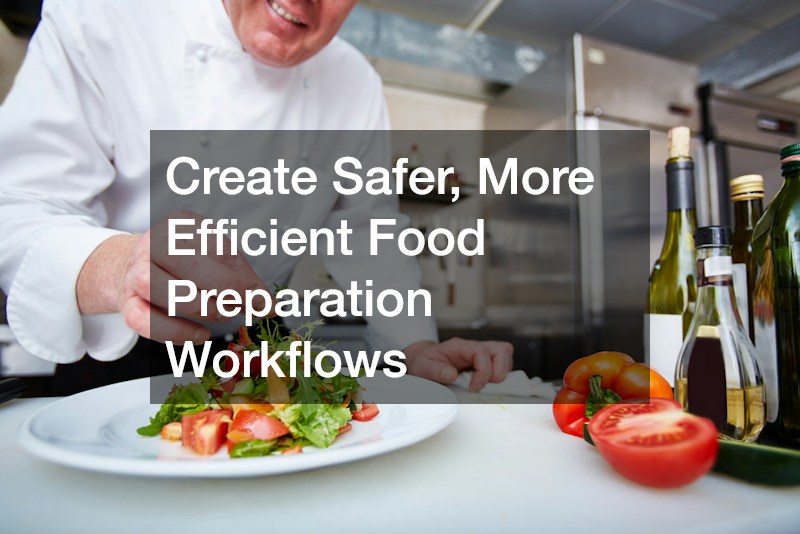
A well-organized kitchen helps employees prepare meals efficiently while reducing unnecessary movement and the risk of cross-contamination. Arrange workstations according to menu requirements, ingredient storage needs, and the sequence of preparation tasks.
For example, preparing Japanese food may involve specialized ingredients, knife work, rice preparation, and careful presentation. Organizing these tasks into suitable work areas can help employees locate tools quickly and maintain consistent preparation procedures without crowding other stations.
Consider these workflow improvements:
- Group related tasks: Keep frequently used ingredients and equipment near the stations where they are needed.
- Separate food types: Prevent contact between raw ingredients and ready-to-eat foods.
- Label ingredients: Include relevant dates and storage information according to established procedures.
- Keep tools accessible: Store knives and utensils safely in designated locations.
Review the layout during actual service rather than relying only on a floor plan. Observe where employees cross paths, wait for equipment, or repeatedly leave their stations to retrieve supplies. These patterns can reveal opportunities to rearrange storage or adjust preparation assignments.
Learn From Successful Restaurants Without Copying Their Entire Model
Restaurant managers can identify useful operational ideas by observing how other businesses handle customer flow, menu design, cleanliness, and service. Comparing approaches can reveal opportunities to improve existing systems, but each business should adapt ideas to its own customers, staffing, and kitchen capacity.
Visiting local restaurants can provide examples of how dining rooms are organized, pickup orders are managed, and employees maintain clean spaces during busy periods. Managers can also examine the best taco restaurants to see how focused menus and repeatable preparation processes may support efficient service.
When evaluating other operations, consider these questions:
- How are orders managed? Look at the flow from ordering to preparation and pickup.
- How is the space organized? Observe seating arrangements, customer pathways, and staff access.
- How is cleanliness maintained? Notice how employees handle spills, waste, and table turnover.
- What can be adapted? Identify ideas that fit your budget, menu, and service model.
Avoid assuming that a successful practice will work equally well everywhere. A high-volume counter-service restaurant has different requirements from a full-service dining room. Gather customer feedback and monitor service delays before changing procedures.
Schedule Waste Removal to Keep Workspaces Clear
Waste management affects sanitation, employee safety, and the efficient use of available space. Food scraps, packaging, damaged equipment, and discarded furnishings should have designated handling procedures so they do not accumulate near preparation areas, entrances, or delivery routes.
Bulky waste collection may be necessary when a restaurant replaces large appliances, removes damaged furniture, or completes renovation work. Confirm which items the provider accepts and whether separate arrangements are required for electrical equipment or other specially regulated materials.
Create a waste management routine that includes:
- Separate waste streams: Sort recyclable materials, general rubbish, food waste, and bulky items according to local rules.
- Designate storage areas: Keep waste away from food preparation and clean supplies.
- Schedule pickups: Coordinate removal with delivery times and operating hours.
- Inspect waste areas: Check for leaks, odors, pests, and obstructions.
Employees should know where each type of waste belongs and how to handle heavy or awkward items safely. Avoid placing discarded equipment where it blocks emergency exits or creates tripping hazards.
Build an Accountability System for Ongoing Restaurant Maintenance
Cleaning and maintenance routines work best when employees understand their responsibilities and managers verify that tasks are completed. Without clear accountability, inspections may be missed, equipment problems may go unreported, and the same issues can recur.
Create a maintenance calendar that includes daily cleaning, periodic equipment inspections, refrigeration checks, grease management, and scheduled waste removal. Assign each task to a specific role and identify who should be notified when a problem requires professional attention.
A useful accountability system should include:
- Written checklists: Document the tasks required at opening, during service, and at closing.
- Named responsibilities: Assign staff members to complete and verify relevant work.
- Maintenance records: Track cleaning, repairs, inspections, and recurring issues.
- Regular reviews: Examine records to identify missed tasks or patterns that require corrective action.
Managers should also provide practical training and explain why each procedure matters. Employees are more likely to follow routines when expectations are clear, and the necessary supplies are available.
Maintaining a clean and productive restaurant requires consistent routines, reliable equipment, organized supplies, and responsible waste management. When employees understand their responsibilities and managers monitor performance, everyday tasks become easier to coordinate and operational problems are more likely to be identified early.
A proactive approach supports cleaner workspaces, more dependable service, and better use of staff time. By building practical systems and reviewing them regularly, restaurant owners can create an environment that works effectively for employees while providing customers with a positive dining experience.
About the Author