The significance of commercial roofing inspections cannot be understated, as they are essential for maintaining sustainable and secure roofing structures. Given the complexity and diversity of roofing systems, these inspections require expert-level knowledge and precision. This article sheds light on the processes professional roofing services undertake to execute thorough and effective inspections.
What is the purpose of commercial roofing inspections?
Identifying Roofing Issues
The primary goal of commercial roofing inspections is to identify existing or potential issues that might lead to significant damage. This early detection is crucial because it helps in mitigating substantial repair costs in the future.
Roofing problems such as leaks, structural weaknesses, or material degradation can be challenging to spot without professional expertise. Inspections thus serve as a proactive approach to catching issues before they escalate. By identifying problems early, businesses can ensure that their investments in roofing remain safe and efficient.
Professionally conducted inspections provide a comprehensive evaluation of roofing systems. Inspectors are trained to look for subtle indications of wear and tear that aren’t immediately visible to the untrained eye. Technologies and tools enhance this capability, ensuring that even concealed issues like mold growth or material fatigue are detected. The nuanced understanding of different roofing materials and their vulnerabilities aids in a precise assessment. Consequently, this attention to detail helps in formulating effective repair strategies.
Another aspect of identifying issues is understanding the dynamic impact of environmental factors on roofing systems. Subject to varying weather conditions, commercial roofs face different challenges throughout the year. Inspectors must consider factors like wind, snow, rain, and UV exposure, which uniquely affect material integrity. Being aware of environmental stressors allows inspectors to provide tailored maintenance recommendations. It underlines the importance of regular inspections in safeguarding the roof from weather-related damage.
Preventative Maintenance
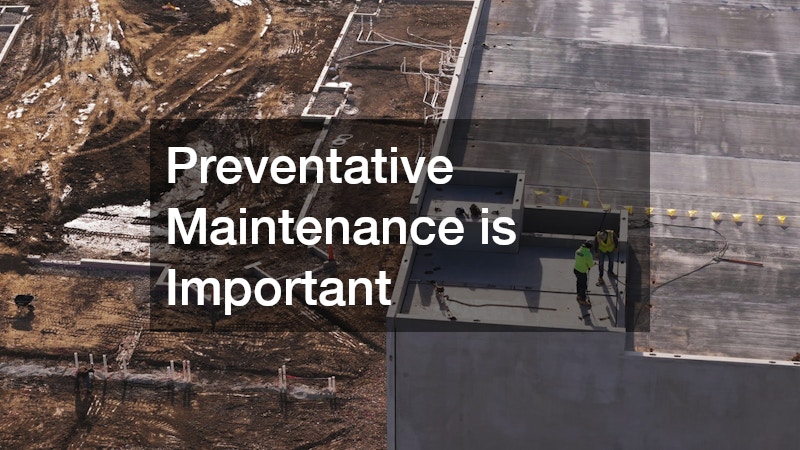
Preventative maintenance is a proactive strategy that is paramount in the roofing industry. By conducting regular inspections, potential issues can be addressed before they manifest into more severe problems. This practice not only saves money but also extends the life expectancy of the roofing system. A well-maintained roof is less likely to suffer catastrophic failures, thereby preserving the structural safety of commercial properties. In the long run, preventative maintenance is an investment in lasting quality.
Commercial roofing services advocate for scheduled maintenance checks to foresee and counteract any deterioration. Systematic inspections enable the development of a maintenance timeline that aligns with the roof’s specific needs. The frequencies of such inspections are tailored, considering factors like the type of roofing material, environmental conditions, and building usage. Coordinated maintenance efforts ensure that the roof performs optimally throughout its life span. Thus, integrating preventative maintenance into regular building operations is essential.
Preventative maintenance goes beyond addressing immediate issues, focusing on the overarching health of the roofing system. For instance, procedures like roof membrane resealing, flashings adjustments, and debris removal are preventive measures that thwart potential damage. Utilizing modern technology during inspections ensures precision in maintenance planning. As a result, it minimizes the disruption caused by unexpected roof performance issues. Moreover, it fosters a comprehensive understanding of roofing care among stakeholders.
Ensuring Safety Compliance
Adherence to safety compliance standards is critical in commercial roofing inspections. Many regions impose strict regulatory frameworks that dictate the safety benchmarks roofs must meet. Inspections play a role in ensuring compliance by identifying any violations or areas falling short of these standards. Safety compliance checks are vital for mitigating liability risks associated with accidents or health hazards on commercial properties. In the corporate world, compliance is synonymous with accountability and professionalism.
A comprehensive understanding of both national and local safety codes is indispensable for roofing professionals. This knowledge allows them to compare findings against these regulations effectively. Insufficient compliance can lead to penalties or costly legal actions, highlighting the need for expert supervision during inspections. Professionals can rectify compliance issues through recommended repair actions, safeguarding the business against regulatory scrutiny. Thus, ensuring compliance involves a collaboration between roofing services and property managers.
Regular updates to building codes necessitate staying abreast of the latest safety requirements. Roofing inspectors are not only trained to enforce current codes but also to anticipate future changes. Being proactive in understanding these trends helps businesses prepare their properties accordingly. This foresight ensures that roofing systems are always in alignment with evolving safety standards. Partnering with knowledgeable roofing services empowers businesses to uphold these standards effectively.
Extending Roof Lifespan
The enduring ecological and economic benefits of extending a commercial roof’s lifespan are substantial. Regular inspections and timely maintenance enhance performance longevity, thus reducing the need for premature replacements. Each roofing material has its unique durability attributes, influencing maintenance strategies to optimize life expectancy. The strategic care of these materials through regular evaluations naturally prolongs their usability. Given the cost-intensive nature of roofing replacements, prolonging the roof’s life is financially sensible.
A strategic focus on life extension involves precise tracking of roofing condition over time. Documenting the health and performance metrics aids in adjusting maintenance schedules and strategies. Addressing minor concerns promptly prevents the gradual decline that significantly deteriorates the roof. Targeted restorations, as opposed to complete replacements, become feasible strategies when comprehensive records back maintenance efforts. Strategic longevity planning translates into substantial savings for businesses.
Additionally, extending life through inspections has a positive environmental impact. Fewer replacements mean a reduction in the waste generated, which aligns with sustainability goals. Advanced inspection techniques, like infrared scanning, enable green initiatives by minimizing unnecessary material wastage. Moreover, green roofing options can be better maintained and optimized through consistent inspections. Therefore, the ecological and economic motivations behind extending roof lifespan reinforce each other harmoniously.
Maintaining Warranty
Maintaining warranty conditions is another critical aspect of regular commercial roofing inspections. Many roofing warranties stipulate that periodic inspections must be conducted to remain valid. These warranties often cover potential defects or damages if inspections prove consistent with the agreed terms. By adhering to these inspection schedules, businesses can leverage the full benefits of their warranty agreements. Ignoring these conditions might lead to voided warranties, leaving businesses vulnerable to damage costs.
Roof inspections serve as an official record to validate claims if any issues arise during the warranty period. Roofing professionals document each inspection, providing reliable evidence of consistent maintenance. This documentation becomes crucial for companies looking to make warranty claims, especially when facing significant repairs or replacements. A robust inspection history gives businesses the confidence to approach warranty discussions constructively. It underlines the importance of treating roofing inspections as pivotal financial safeguards.
Regular inspections indicated in warranty agreements also align with best practices in roof maintenance. Maintaining compliance with warranty terms often involves carrying out specific preventative measures along with inspections. This dual strategy ensures that both the property managers and warranty providers maintain a shared interest in the roof’s health. As a result, consistent inspections foster a collaborative environment between business stakeholders and warranty issuers. Ultimately, this helps secure the maximum financial and performance returns on roofing investments.
How often should commercial roofs be inspected?
Recommended Inspection Frequency
Determining the optimal frequency for commercial roof inspections relies on several situational factors, each unique to the property. Industry standards generally advise bi-annual inspections as a baseline for proactive maintenance. However, facilities with unique environmental exposure or roofing materials may require more frequent assessments. Professional roofing services provide customized schedules that accommodate each property’s distinct needs. The fundamental goal is to ensure that inspections are frequent enough to detect and address emerging issues swiftly.
Bi-annual inspections commonly coincide with seasonal changes, helping detect any damage accrued during harsher weather months. Scheduling inspections after winter and before summer prepares roofs for the diverse weather changes they will encounter. Each season imposes different stresses, from precipitation to UV exposure, risking potential damage without appropriate measures. Regular inspections adapt to these cyclical weather patterns, fortifying the roof’s ability to withstand them. Hence, inspection schedules should be responsive, prioritizing seasonal dynamics and risk assessment.
Beyond seasonal considerations, inspection frequency should account for the roofing material employed. For instance, flat roofs typically demand more frequent checks compared to sloped ones due to drainage challenges. Additionally, warranties might dictate specific inspection intervals to uphold validity. Understanding these nuances enables the scheduling of inspections in harmony with both technical requirements and contractual obligations. Therefore, a tailored now frequency ensures that roofs remain durable and compliant.
Factors Affecting Inspection Timing
Several factors influence the ideal timing of commercial roof inspections, including the type and condition of the roofing system. Age is a significant determinant, as older roofs usually require more frequent and intensive evaluations. With age, the likelihood of wear and deterioration increases, necessitating proactive care to prevent costly damages. A seasoned roofing service will adjust inspection schedules to reflect these temporal concerns. Hence, the dynamic nature of roof condition necessitates continual reassessment of inspection timelines.
Moreover, exposure to certain environmental factors can necessitate increased inspection frequency. Businesses located in regions prone to severe weather events or significant temperature fluctuations might require additional inspections. Environmental stressors can accelerate roofing wear and necessitate more diligent monitoring. Roofing professionals can tailor inspection schedules to accommodate these local risks, thereby enhancing roofing resilience. As environments rapidly change, proactive adjustments to inspection timing ensure effective maintenance.
A yet further determinant is the significance of the building’s purpose and use in impacting inspection frequency. High-traffic buildings, such as factories or retail facilities, may require more frequent inspections due to increased wear. Similarly, buildings that serve as critical infrastructure, like hospitals, might need stringent inspection protocols. Prioritizing a property’s specific function ensures that inspections remain aligned with business priorities. Therefore, inspection timings must be agile, adjusting to fluctuating operational demands and conditions.
Seasonal Inspection Considerations
Seasonal changes present unique challenges for commercial roofing inspections, requiring adaptable strategies to address these factors effectively. Inspections conducted before and after winter focus on identifying weather-related damage, such as ice damming or snow buildup. Pre-summer inspections, on the other hand, assess roofs for degradation caused by UV exposure and heat expansion. Roofing professionals schedule their evaluations, ensuring timely identification and rectification of seasonal vulnerabilities. By aligning inspections with seasonal shifts, businesses attain a comprehensive view of their roof’s adaptability.
Winter poses a significant challenge due to cold temperatures, moisture accumulation, and ice formation. Inspections conducted at the close of winter assess roofs for ice damming, which can cause water leakage and structural damage. At this time, professionals also check the integrity of seals, membranes, and drains to prepare for the onset of warmer weather. Additionally, inspections address potential mold or algae growth from the reduced sunlight during colder months. Timely winter inspections protect roofs from enduring damage under harsh snowy conditions.
Conversely, the summer heat can lead to thermal expansion, causing material shifts and weakening seals. Scheduling inspections early in the summer allows roofing professionals to address these heat-induced stresses. Inspections are tailored to prevent UV exposure from degrading roofing elements like membranes or sealants. Addressing such vulnerabilities helps preserve roofing performance through the intense summer months. Thus, strategic seasonal inspections offer both preventive and corrective maintenance, adapting to each season’s unique challenges.
Frequency Based on Roof Type
The type of roofing system in place plays a critical role in determining the optimal frequency for inspections. Flat and low-slope roofs often require more frequent checks due to their design, making them prone to water pooling and drainage issues. Their susceptibility to accumulating debris necessitates more regular cleanings and inspections. Distinct from flat roofs, sloped systems often boast enhanced natural drainage, reducing their immediate inspection needs. Nonetheless, roofing type specificity informs strategic frequency planning, promoting longevity and reducing risk.
Flat roofs, common in commercial settings, often feature various complex systems, such as overlay layers and weather barriers, complicating maintenance. Frequent inspections help evaluate these components, ensuring that each layer functions effectively. With multiple factors affecting their performance, regular assessments become crucial to detecting and correcting defects early. Timely intervention protects flat roofs against potential deterioration, establishing a safeguarded roofing investment. Consequently, roofing services push for regular flat roof inspections to preserve quality long-term.
In contrast, sloped roofs generally benefit from natural drainage due to their inclination, enabling quicker runoff of rainwater and precipitation. While they may require less frequent inspections, maintaining their drainage systems such as gutters and downspouts remains essential. Sloped roofs face different challenges, including shingle wear or tile displacement, which necessitate their own tailored evaluations. Regular inspections consider these trade-offs, balancing effectiveness and cost-efficiency against the inherent design strengths. Ultimately, the roof type informs a customized inspection approach, ensuring comprehensive coverage and ongoing functionality.
Impact of Location and Weather
Geographic location and climate conditions significantly influence commercial roofing inspection schedules. Regions susceptible to extreme weather events, such as hurricanes, tornadoes, or heavy snowfalls, face higher risks of roof damage. Businesses in these areas might require additional inspections to identify and resolve weather-induced vulnerabilities. Frequent evaluations empower businesses to counter these risks, maintain roofing resilience, and avoid costly repairs. Location-specific inspections capture environmental impacts, ensuring responsive and effective maintenance strategies.
Weather patterns also contribute to regional variations in inspection frequency. Coastal regions might face saltwater exposure, potentially diminishing roofing material integrity and spurring oxidative deterioration. Conversely, arid environments sustain high UV levels, which can weaken roofs over time. Each weather pattern uniquely affects system performance, warranting an aligned inspection protocol. Roofing services cultivate detailed knowledge of these geographic influences, creating informed maintenance plans based on their understanding.
Furthermore, location-driven inspections emphasize preservation, as proactive measures mitigate the unique effects of local climates. With recorded data on environmental impacts, roofing services can adjust inspection schedules as necessary, avoiding deteriorating performance. With conscious adaptation, businesses enhance roofing durability, upholding strength and reliability when it matters most. Responsive scheduling avoids unexpected concerns arising from location-based stresses. Thus, strategic location-based inspections enhance roof longevity and functionality.
What do roofing professionals look for during an inspection?
Signs of Water Damage
Water damage is a predominant concern for commercial roofs, warranting meticulous detection during inspections. Professional inspectors look for signs of water infiltration, such as discolored or water-stained ceilings, which indicate potential leaks. The presence of mold or algae growth further suggests moisture accumulation within the roof structure. During an inspection, roofing services utilize moisture meters to assess water presence behind surfaces accurately. This determination prevents further water-related damage and supports maintenance planning.
Ponding water is another critical indicator of water damage, often discernible through visible water collection on flat roof surfaces. Inspectors examine roof sections for areas prone to standing water, assessing drainage pathways and identifying obstructions or gradual field slope deficiencies. Water pooling leads to undue pressure on the roofing system, exacerbating wear and tear. Hence, addressing drainage inefficiencies during inspections upholds roof integrity against water-induced deterioration. Regularly evaluating water presence and damage secures roofing resilience against the elements.
Moreover, flashing deterioration and edge detachments can signify water penetration, requiring special attention during inspections. Inspectors look for curled, cracked, or damaged flashing, ensuring complete functionality as a moisture barrier. Open seams or flashing gaps facilitate water ingress, compromising not only the roof but also potential interior elements. Attending to these concerns during inspections protects both the roofing system and the building’s structural health. Consequently, comprehensive inspections integrate water infiltration assessments, safeguarding long-term roofing performance.
Roof Membrane Condition
The condition of the roofing membrane significantly impacts overall roof functionality, warranting careful assessment during inspections. Inspectors closely examine membrane integrity, inspecting for issues such as blisters, punctures, or splits that can lead to serious damage. A compromised membrane facilitates moisture intrusion, promoting internal decay and reducing the roof’s protective capacity. Regular inspections detect these faults early, supporting repairs or replacements before substantial damage ensues. This focused scrutiny preserves the roofing system’s overall health and continuity.
Membrane deterioration often materializes as surface fatigue, evidenced by diminished flexibility or notable ridging. Roofing professionals assess the flexibility of the membrane, evaluating surface pliability against standard benchmarks. Aging membranes commonly lose essential support properties, necessitating system rehabilitation or enhancement. Timely membrane assessments safeguard against progressive deterioration, reducing maintenance costs and disruption. Consequently, maintaining impeccable membrane conditions protects the roof’s defensive capacity.
Additionally, UV exposure often accelerates membrane wear, contributing to its gradual breakdown. Inspectors convey ultraviolet assessment to gauge surface damage or deterioration consistent with extended sun exposure. Scheduled UV evaluations bolster membrane resilience through timely interventions and restorations, reducing potential vulnerabilities. Regular inspections facilitate efficient assessment, prolonging membrane life and maximizing roofing performance. Thus, understanding membrane conditions during inspections embodies adherence to quality maintenance practices.
Structural Integrity
Preserving structural integrity is paramount during commercial roofing services inspections, ensuring a building’s safety and functionality. Inspectors closely monitor for signs of sagging, twisting, or displacement within structural elements and supporting beams. Structural abnormalities can signify weight distribution imbalances, leading to severe performance issues if untreated. Regular scrutiny extends the life span of both roofing systems and the broader structural framework. Therefore, consistent inspections are vital in maintaining overall building safety.
Professional inspections focus on connection points where pertinent elements merge, scrutinizing quality and performance. Detecting issues, such as weakened joints, disengaged elements, or loosened fasteners, secures structural integration. Timely corrective actions address these issues, protecting the roof from unforeseeable structural concerns. Consistently inspecting structural integrity fosters a secure foundation for all building systems, reducing potential malfunctions and accidents. Accordingly, maintaining structural integrity throughout roofing inspections enhances both safety and performance.
Roofing inspections must also address potential degradation of support elements, such as trusses or rafters. Exposure to moisture, termites, or dry rot weakens these components, undermining overall support. Inspectors assess for signs of decay, ensuring that essential structural elements meet performance demands. By identifying affected areas early, inspections facilitate strategic reinforcements, fixing or replacing compromised components. These thorough evaluations underscore the importance of structural safety in inspection protocols.