
Businesses rarely operate independently. Behind nearly every product, service, facility, and customer experience is a network of industries working together to keep operations running smoothly. From manufacturing and construction to transportation, property maintenance, and marketing, organizations depend on specialized providers to meet their daily needs and support long-term growth.
Understanding how these industries connect provides a clearer picture of the business landscape. A manufacturing company may depend on suppliers for raw materials, contractors for facility improvements, and transportation providers to distribute finished products. Meanwhile, an office-based organization may rely on property maintenance, printing, technology, and professional services to maintain an effective workplace.
Although these industries serve different purposes, they share a common goal: helping organizations remain productive, competitive, and prepared for changing demands. Exploring their individual contributions reveals how businesses depend on a broad network of professional expertise to operate successfully.

The Importance of Manufacturing and Industrial Suppliers
Manufacturing is a central part of the business economy because it transforms raw materials and components into products used by individuals, organizations, and other industries. Manufacturers produce everything from building materials and automotive components to electronics, packaging, machinery, and household goods.
However, manufacturing operations require more than production equipment and employees. Businesses must maintain reliable supply chains that provide the materials, chemicals, components, and equipment needed to complete their work.
Specialized suppliers play an important role in this process. For example, specialty chemical suppliers provide businesses with chemical products developed for specific industrial, manufacturing, and commercial applications. Depending on the industry, these materials may be used in coatings, cleaning products, manufacturing processes, and other specialized applications.
Supplier relationships can directly influence production schedules and product quality. If an essential material becomes unavailable, manufacturers may experience delays that affect multiple stages of their operations. Establishing relationships with dependable suppliers and maintaining appropriate inventory levels can help businesses reduce disruptions.
Quality control is another important consideration. Manufacturers must understand the specifications of the materials they purchase and how those materials interact with their production processes. Consistent sourcing practices help organizations maintain product standards and meet customer expectations.
Industrial finishing is another part of the manufacturing landscape. Metal components, equipment, and other products may require protective or decorative treatments before they are ready for use. Commercial powder coatings provide a finishing option that uses an applied powder and a curing process to create a durable surface. Businesses may consider this approach when evaluating finishing requirements for metal products and components.
These specialized industries demonstrate how manufacturing depends on collaboration. Suppliers, processors, equipment providers, and finishing professionals all contribute to the production process, helping businesses deliver products that meet their intended specifications.
How Construction Supports Commercial Operations
Commercial construction helps businesses establish and maintain the physical spaces needed for daily operations. Offices, warehouses, manufacturing plants, retail locations, distribution centers, and other facilities require specialized planning and construction expertise.
As organizations grow, their facility requirements may change. A company may need additional warehouse space, a larger production area, updated office accommodations, or improvements to an existing building. Commercial construction professionals help turn these requirements into functional spaces designed around operational needs.
Different construction projects require different specialties. Structural work, electrical systems, plumbing, roofing, concrete placement, and interior finishing may involve separate contractors working together under a coordinated project plan.
Concrete placement is particularly important for many commercial and industrial developments. Foundations, loading areas, equipment pads, parking structures, and other concrete components provide the structural support necessary for numerous facilities. Commercial concrete pumping companies help transport and place concrete in locations where traditional delivery and placement methods may be difficult or inefficient.
Roofing is another essential part of commercial property development and maintenance. A building’s roof helps protect equipment, inventory, employees, and interior spaces from weather exposure. Commercial spray foam roofing is one option property owners may evaluate when considering roof installation or restoration. Spray foam roofing systems can provide a continuous surface while offering insulation and waterproofing benefits when properly installed and maintained.
Planning these projects requires attention to building requirements, budgets, scheduling, safety, and long-term maintenance. Businesses should evaluate contractors based on their experience with comparable facilities and their ability to coordinate the specific work involved.
Construction also affects surrounding business operations. Organizations renovating an active facility may need to adjust employee access, delivery schedules, parking arrangements, or production activities while work is underway. Careful coordination can help limit disruptions and maintain productivity.
The Role of Equipment and Heavy Machinery Providers
Many industries depend on specialized machinery to complete tasks that would otherwise require significant time, labor, or resources. Construction, manufacturing, warehousing, transportation, and infrastructure development all involve equipment designed for particular applications.
Crane services are one example of specialized equipment support. Cranes are used to lift and position heavy materials, machinery, structural components, and other loads. Their capabilities make them valuable for projects involving commercial buildings, industrial facilities, infrastructure, and large-scale installations.
When a project requires lifting equipment, businesses may work with a local crane rental company to determine which machinery is appropriate for the job. Equipment selection depends on factors such as load weight, lifting height, working radius, site conditions, and access limitations.
Planning is essential when arranging crane services. Businesses and project managers must consider site preparation, operator qualifications, safety requirements, equipment positioning, and scheduling. These details help ensure that lifting operations are coordinated with other construction activities.
Equipment rental also gives businesses flexibility. Rather than purchasing specialized machinery that may only be needed occasionally, organizations can arrange access to equipment for specific projects. This approach may help control capital expenses while providing access to machinery suited to individual job requirements.
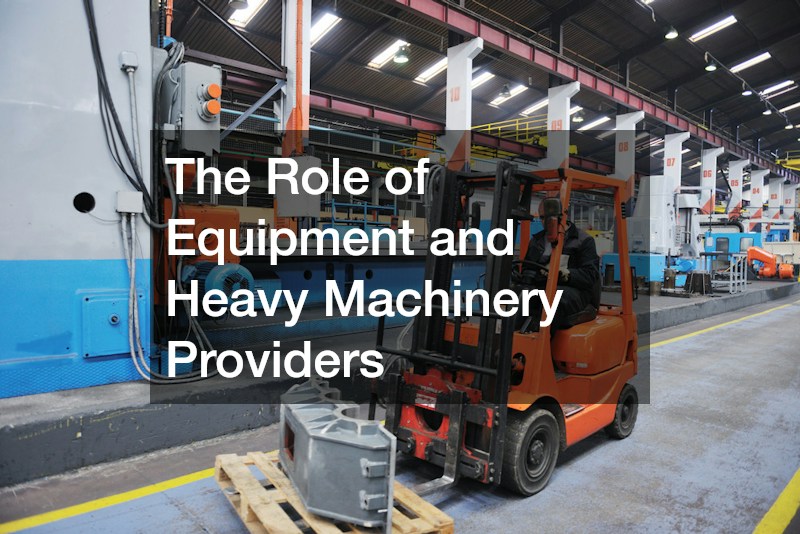
Beyond cranes, businesses may depend on forklifts, loaders, aerial lifts, excavators, and other equipment. Regular inspections and maintenance are important for keeping machinery in appropriate working condition and reducing the risk of unexpected interruptions.
Equipment providers therefore contribute to more than individual projects. They help businesses access the resources needed to complete demanding tasks while managing operational requirements and project costs.
How Property Services Maintain Business Facilities
Commercial properties require ongoing attention to remain functional, safe, and suitable for their intended purposes. Buildings experience regular wear, mechanical systems need maintenance, and shared spaces require consistent management.
Property-related responsibilities can become especially complicated for organizations that own multiple buildings or operate from locations with different maintenance requirements. Managing these responsibilities internally may require additional staff, time, and administrative resources.
Property management services can help organizations coordinate many aspects of commercial property ownership and operation. Depending on the agreement, these services may include maintenance coordination, tenant communication, inspections, vendor management, rent administration, and general property oversight.
Effective property management helps businesses maintain organized facilities while addressing issues before they become more disruptive. For example, routine inspections may identify plumbing concerns, damaged building materials, or maintenance needs that require attention.
Commercial properties also need specialized service providers for individual systems. Heating and cooling equipment, electrical infrastructure, plumbing, roofing, security systems, and exterior surfaces all require appropriate care.
Maintenance planning should account for the age and condition of a building, the type of activities conducted inside it, and the needs of its occupants. A manufacturing facility may have different maintenance requirements from a professional office or retail property.
Property managers and business owners should also consider how maintenance affects daily operations. Scheduling work outside peak business hours, communicating with occupants, and coordinating vendor access can help minimize interruptions.
Well-maintained facilities support more than appearance. They contribute to employee comfort, customer experiences, equipment protection, and the overall functionality of commercial spaces.

The Importance of Transportation and Business Relocation
Transportation is another major industry supporting business operations. Companies depend on transportation providers to move raw materials, finished products, equipment, supplies, and other essential resources between locations.
Manufacturers rely on freight services to receive materials and distribute products. Retailers depend on delivery networks to maintain inventory, while construction businesses need reliable transportation for building supplies and machinery.
Transportation also becomes especially important when organizations relocate. Moving an office, warehouse, or industrial facility involves more than transferring furniture from one building to another. Businesses may need to coordinate computers, filing systems, specialized equipment, inventory, machinery, and other assets.
Working with experienced commercial movers can help organizations plan and coordinate these transitions. Commercial relocation providers may assist with packing, transportation, furniture handling, equipment relocation, and other logistical responsibilities.
A successful relocation begins with an inventory of the items being moved. Businesses should identify essential equipment, determine which materials require specialized handling, and establish priorities for packing and unpacking.
Scheduling is equally important. Organizations may need to coordinate relocation activities around customer appointments, employee availability, production schedules, and building access requirements. Some businesses may choose to move in stages to maintain partial operations throughout the process.
Communication also plays a significant role. Employees should understand when the relocation will occur, how their responsibilities may change, and where they will access necessary equipment and resources after the move.
Transportation providers support businesses in many other ways, too. Regular freight deliveries, equipment transportation, and distribution services help organizations maintain supply chains and fulfill customer commitments.
How Printing and Branding Support Business Growth
Marketing and communication are essential to building relationships with customers, employees, suppliers, and other stakeholders. Organizations need ways to explain what they offer, communicate important information, and maintain a recognizable identity.
Printed materials remain useful across many industries. Business cards, brochures, flyers, catalogs, banners, signage, labels, and presentation materials can support marketing campaigns and everyday communication.
Print shops provide businesses with access to professional printing equipment and services. Depending on their capabilities, these providers may assist with design preparation, document printing, promotional materials, large-format graphics, and other printed products.
Organizations may use printed materials at trade shows, conferences, customer meetings, community events, and retail locations. Consistent branding across these materials can help reinforce recognition and create a more cohesive presentation.
Vehicle graphics are another way businesses communicate their identities. Companies with service vehicles, delivery fleets, or mobile operations may use vinyl wraps to display logos, contact information, graphics, and other branded elements.
Vehicle wraps can turn company vehicles into mobile marketing displays while also providing an opportunity to create a consistent visual identity across a fleet. Businesses should consider design, material quality, installation, and maintenance when evaluating these options.
Branding extends beyond printed materials and vehicle graphics. Websites, social media, employee communications, packaging, and customer service interactions all contribute to how an organization is perceived.
Marketing providers help businesses maintain consistency across these different channels. However, organizations should first establish their messaging, target audiences, and communication objectives. Clear branding makes it easier for customers to understand what a business offers and what distinguishes it from competitors.

The Role of Entrepreneurship and Business Leadership
Behind every organization are individuals responsible for making decisions, identifying opportunities, and coordinating resources. Entrepreneurs and business leaders play an important role in establishing companies, developing strategies, and guiding operations through changing circumstances.
Entrepreneurship involves more than introducing a product or service. Business owners must evaluate customer needs, understand industry conditions, manage finances, build relationships, and determine how to allocate available resources.
For example, Robert Granieri, an entrepreneur, can serve as a reference point when considering the importance of individual leadership in business development. Entrepreneurial perspectives can help illustrate how recognizing opportunities and making strategic decisions contribute to organizational growth.
Leadership responsibilities also extend beyond the initial stages of a business. As organizations expand, owners and executives must develop systems that allow employees and departments to operate effectively without requiring constant direct supervision.
Delegation is one important part of this process. Leaders who establish clear responsibilities and empower qualified employees can create more efficient management structures. This also allows executives to focus on broader priorities, including financial planning, business development, and long-term strategy.
Decision-making should be supported by reliable information. Financial reports, customer feedback, operational measurements, and industry developments can help leaders evaluate performance and identify potential challenges.
Businesses should also recognize that no organization operates without risk. Economic changes, competition, supply chain disruptions, and shifting customer expectations can affect performance. Strong leadership involves preparing for these possibilities while remaining open to new opportunities.
How Different Industries Work Together
Although each industry provides specialized services, businesses often rely on several of them simultaneously. Their contributions are interconnected, and a disruption in one area can affect multiple parts of an organization’s operations.
Consider a company preparing to expand its manufacturing facility. The project may require a commercial construction contractor, concrete specialists, roofing professionals, equipment rental providers, and material suppliers. Once the building is complete, the company may need property maintenance, transportation arrangements, and updated marketing materials.
Similarly, a business relocating to a larger commercial property may coordinate property management, commercial movers, equipment transportation, signage, and construction services. Each provider handles a different responsibility, but their work contributes to the same organizational objective.
This interconnected structure makes planning and communication especially important. Businesses should identify which services are essential, establish clear expectations, and coordinate schedules between providers.
Vendor selection should also involve more than comparing prices. Organizations should evaluate qualifications, experience, insurance coverage where applicable, communication practices, reliability, and the ability to meet project requirements.
Maintaining strong professional relationships can make it easier to coordinate future projects. Businesses that work with dependable providers may benefit from greater consistency and a better understanding of their operational needs.
Long-term planning should also include contingency arrangements. Identifying alternative suppliers, maintaining important service records, and documenting vendor responsibilities can help organizations respond when unexpected changes occur.
Building a Stronger Business Through Industry Collaboration
Businesses depend on a wide range of industries to maintain their facilities, produce goods, reach customers, and manage everyday responsibilities. Manufacturing suppliers, construction professionals, equipment providers, property managers, transportation companies, and marketing specialists all contribute to the larger business environment.
Understanding these connections helps organizations make more informed decisions about the services and resources they need. It also highlights the importance of choosing qualified providers and maintaining strong working relationships.
As businesses grow and operational requirements change, collaboration becomes increasingly valuable. By recognizing the contributions of different industries and coordinating their services effectively, organizations can create more reliable operations, respond to challenges, and establish a stronger foundation for continued success.
About the Author